 Login
Login
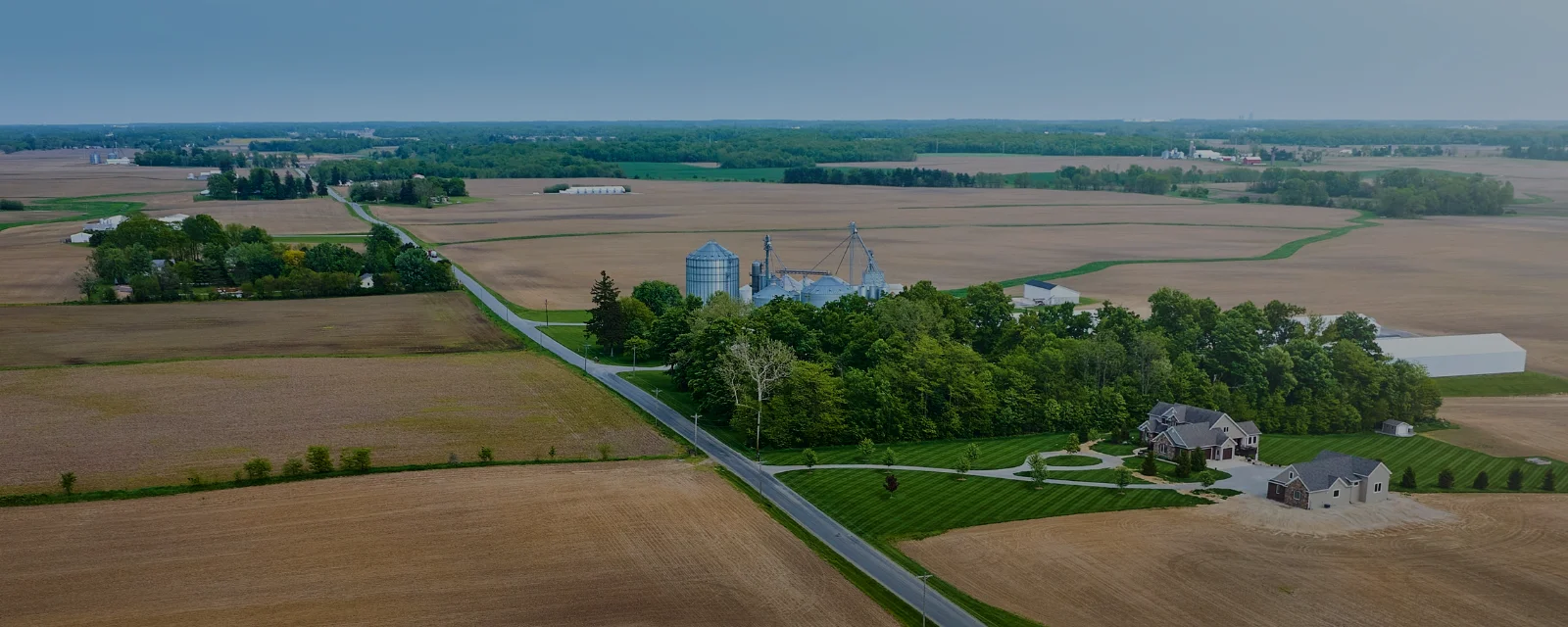

Seasonal labour plays an important role in agriculture. During planting, harvest, processing, and other busy periods, many farms rely on temporary workers, contractors, family members, or volunteers to keep operations moving.
While extra help can be essential, it can also increase liability risks. More people on the farm means more activity, more equipment use, and more chances for accidents, injuries, or property damage. That is why farmers should review liability coverage before peak seasons begin.
Why Seasonal Farm Labour Creates Additional Risk
Farms are increasingly busy work environments during peak seasons. Between machinery, weather, deliveries, livestock, contractors, and tight timelines, there is constant movement across the farm. Seasonal farm labour adds another layer of liability risk because more people and perhaps less experienced people are working around equipment, buildings, vehicles, and active production areasSeasonal labour can create added exposure around:
- Worker movement across the property
- Machinery and equipment operation
- Loading, unloading, and transportation activities
- Interaction with contractors, visitors, or third parties
- Family members, volunteers, or paid workers helping with farm tasks
These risks do not mean seasonal labour should be avoided. They simply mean coverage, payroll, training, and safety procedures should be reviewed in advance.
Common Liability Risks on Farms
Liability risks can come from many parts of farm operations. A tractor or piece of farm machinery may be involved in a road incident with a motor vehicle. A utility vehicle or ATV could be involved in a single-vehicle accident. A worker may be injured while operating machinery, working around a baler, or moving through an active worksite.
Other liability concerns may include:
- Chemical drift exposure
- Property damage during farm operations
- Injury involving machinery or equipment
- Injury involving livestock
- Third-party claims involving visitors, contractors, or neighbouring properties
These situations can become more complex when multiple people are working across the farm during peak periods.
What Farm Liability Insurance Covers
Farm liability insurance helps protect farmers from financial risks and legal liabilities connected to claims of harm or wrongdoing against a third party. This may include injuries, property damage, legal costs, or judgments related to covered claims.
First Acre’s Liability Insurance is built specifically for agriculture. Depending on the policy, liability coverage may support claims involving:
- Bodily injury and property damage
- Legal costs and claims defence
- Medical payments
- Tenant’s legal liability
- Personal and advertising liability
- Voluntary payment for damage to property
- Voluntary compensation for residence employees
Farmers should also understand how payroll affects coverage. Employer’s liability may be based on payroll, and if payroll exceeds certain limits, it may need to be reported and rated appropriately. If labour is not properly disclosed, a claim could be denied.
Coverage Gaps Farmers Should Be Aware Of
Seasonal labour can reveal gaps that may not be obvious during slower parts of the year. This is especially true when volunteers, paid workers, family members, contractors, or commercial employees are helping on the farm.
Potential gaps may include:
- Underinsurance or outdated policies
- Unreported payroll or changing labour needs
- Misunderstandings around volunteers, family members, or paid workers
- Gaps between personal, agricultural, and commercial coverage
- Commercial employees working on the farm while employed under a separate business
- Workers’ compensation considerations, such as WCB or WSIB
While Worker’s Compensation rules vary by province, it provides no-fault workplace compensation for workers, volunteers, and employee including foreign agricultural workers when injured or contracting an illness on the job. The biggest benefit to farmers is that claimants are barred from suing the farmer, the biggest benefit for the claimant is the timely receipt of benefits when they are incapable of working.
How to Reduce Risk During Peak Seasons
Insurance is an important part of protection, but practical risk management also matters. Farmers can help reduce seasonal labour risks by:
- Providing clear safety training
- Documenting procedures and responsibilities
- Monitoring what is happening on the farm
- Maintaining safe working environments
- Reviewing equipment use expectations
- Keeping records of training, incidents, and operational changes
Farmers who hire temporary foreign workers may also need to understand additional employment, health insurance, and workplace requirements. For example, federal guidance notes that employers may need to pay for private emergency medical coverage during periods when a temporary foreign worker is not yet covered by provincial or territorial health insurance.
Protecting Your Operation with the Right Coverage
Seasonal labour risk management is broader than one policy. Employee benefits liability, errors and omissions coverage, workers’ compensation, payroll reporting, safety procedures, and risk transfer strategies may all play a role.
First Acre’s Farm Liability Insurance is designed for agriculture, helping farmers protect personal, commercial, and farm operations under one simplified approach.
Review Your Farm Liability Coverage Before Peak Season
Before seasonal work begins, it is worth reviewing your liability coverage to make sure it still fits your operation. Changes in labour, payroll, equipment, property use, or farm activities can all affect risk.
To learn more about liability protection built for agriculture, explore First Acre’s Farm Liability Insurance or connect with a broker today.
 Get Started