 Login

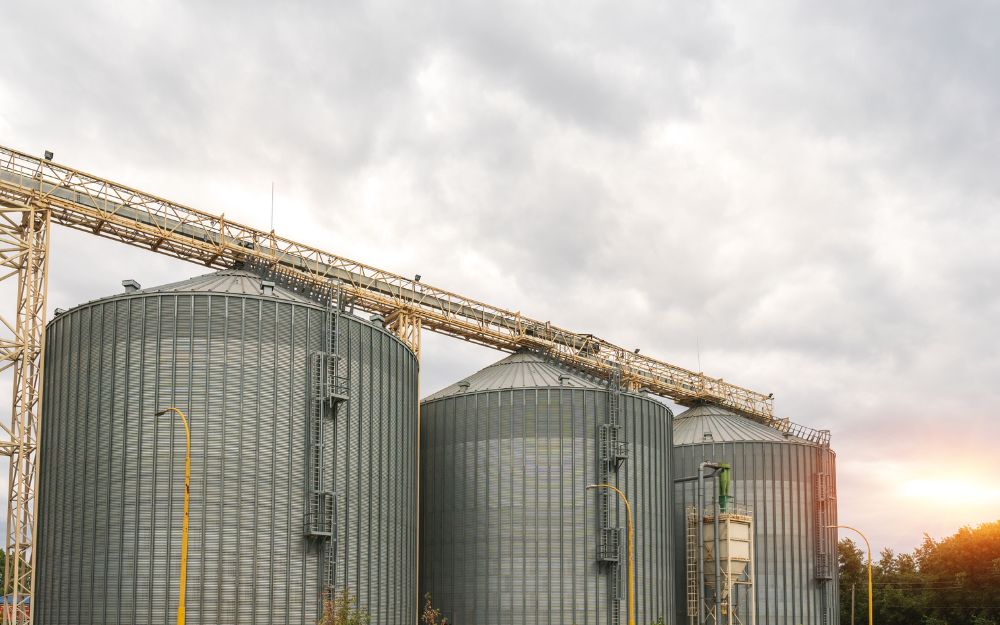
Farm outbuildings and their attached equipment play an important role in daily farm operations. From shops and storage buildings to barns, sheds, and quonset structures, these buildings often house the equipment and systems farmers rely on every day.
First Acre’s Farm Property Insurance With farm-focused insurance designed around the way modern farms operate, First Acre helps farmers protect the buildings and attached equipment that keep their operations moving.
What Are Farm Outbuildings and attached equipment?
Farm outbuildings are structures used to support agricultural operations. Depending on the farm, these buildings may be used for storage, maintenance, equipment protection, production support, or day-to-day farm work.Common examples of farm outbuildings may include:
- Workshops and machinery storage sheds
- Produce Storage buildings such as grain bins and vegetable storage
- Dairy, Poultry & Hog Barns Calving or Lambing Barns
- Electrical or Generators buildings or Pumphouses
Because these structures can vary widely in size, and value, it is important that they are properly reviewed as part of a farm property insurance policy.
What Can Be Found in Farm Outbuildings?
Farm outbuildings may contain attached equipment that is part of the building or attached and is important to daily operations. In some cases, the value of what is inside the structure may have more value and be much more as the building itself.
Attached Equipment refers to equipment that is permanently installed (attached) and would normally remain with the building if the property were sold.
Common items or systems found in farm outbuildings may include:
- HVAC, Boilers or ventilation equipment
- Freezers and refrigeration equipment
- Compressors , back up generators and washbay equipment
- CNC machines, welders, hoists or overhead cranes
- Feeding, irrigation or watering systems
- Production equipment that perform packaging, juicing or drying functions
- Water pumps and electrical systems
- T Bulk tanks, milking machines Electrical and Plumbing systems
Understanding what is attached or part of each outbuilding helps ensure coverage is properly aligned with how the structure is used.
Common Risks to Farm Outbuildings and Attached Equipment
Farm outbuildings and the attached equipment can be exposed to many risks as a unit or individually of the same risks as other farm property, as well as risks related to their specific use, location, or contents.
Common risks may include:
- Fire or Electrical damage
- Weather-related Losses
- Water damage
- Animal Related Damage
- Theft or vandalism
- Structural damage by vehicle impact
- Vehicle Impact
For many farms, outbuildings are active workspaces as well as storage areas. That can increase the importance of reviewing how each building is used and what coverage may be needed.
What Farm Outbuilding Coverage Includes
Farm outbuilding coverage may help protect farm structures, attached equipment, and contents. Covered perils and the amount payable depend on the policy terms and the insured values. Additional coverage, such as Farm Equipment Breakdown Insurance, may be needed for risks that outbuilding coverage does not address.
Coverage may apply to:
- The farm outbuilding structure itself
- Contents, such as:
- cleaning and sanitizing supplies
- permanent tool chests (not attached)
- hand and power tools
- maintenance equipment and supplies (for example, extra shingles)
- Attached equipment
- Debris removal
- Related cleanup or additional costs, where applicable
- Building bylaw coverage (optional)
Since every farm is different, coverage should be reviewed carefully to confirm what is included, what limits apply, and whether the structure, attached equipment, and contents are insured appropriately.
Coverage Considerations for Farm Outbuildings
Farm outbuilding coverage should reflect the structure, its use, and the property inside it. A machine shed used for machinery storage may have different coverage needs than a shop with heating, compressors, electrical systems, tools, and parts.
Important coverage considerations include COPE:
- C = Construction
What the building is made of (frame, masonry, steel, fire-resistive, etc.). - O = Occupancy
How the building is used and what activities take place inside or if part is rented to others, what their activities are. - P = Protection
Fire protection features such as sprinklers, alarms, extinguishers, water supply including ponds and supertankers, and distance to fire services. - E = Exposure
External hazards that could increase the likelihood or severity of a loss, such as nearby buildings, wildfire exposure, flood zones, or hazardous operations.
If farm and commercial activities overlap, it is especially important to review how the building is classified and insured. This can help reduce unintended gaps between personal, agricultural, and commercial coverage.
How First Acre Supports Farm Property Protection
First Acre understands that farm property is more than a house, barn, or shop. Outbuildings often support the practical work of the farm and contain important systems and contents.
With farm-focused property insurance, First Acre supports farmers and brokers when reviewing structures, identifying coverage needs, and protecting the property that supports daily operations.
Protect Your Farm Outbuildings with First Acre
Farm outbuildings can represent a significant investment. When a structure is damaged or the property inside it is affected, the impact can extend across the whole operation.
First Acre’s Farm Property Insurance helps farmers protect outbuildings as part of a broader coverage strategy built for agriculture.


 Get Started